

SKIN AND BODY REJUVINATION
NANO FRACTIONAL SKIN RESURFACING
OUR TREATMENTS
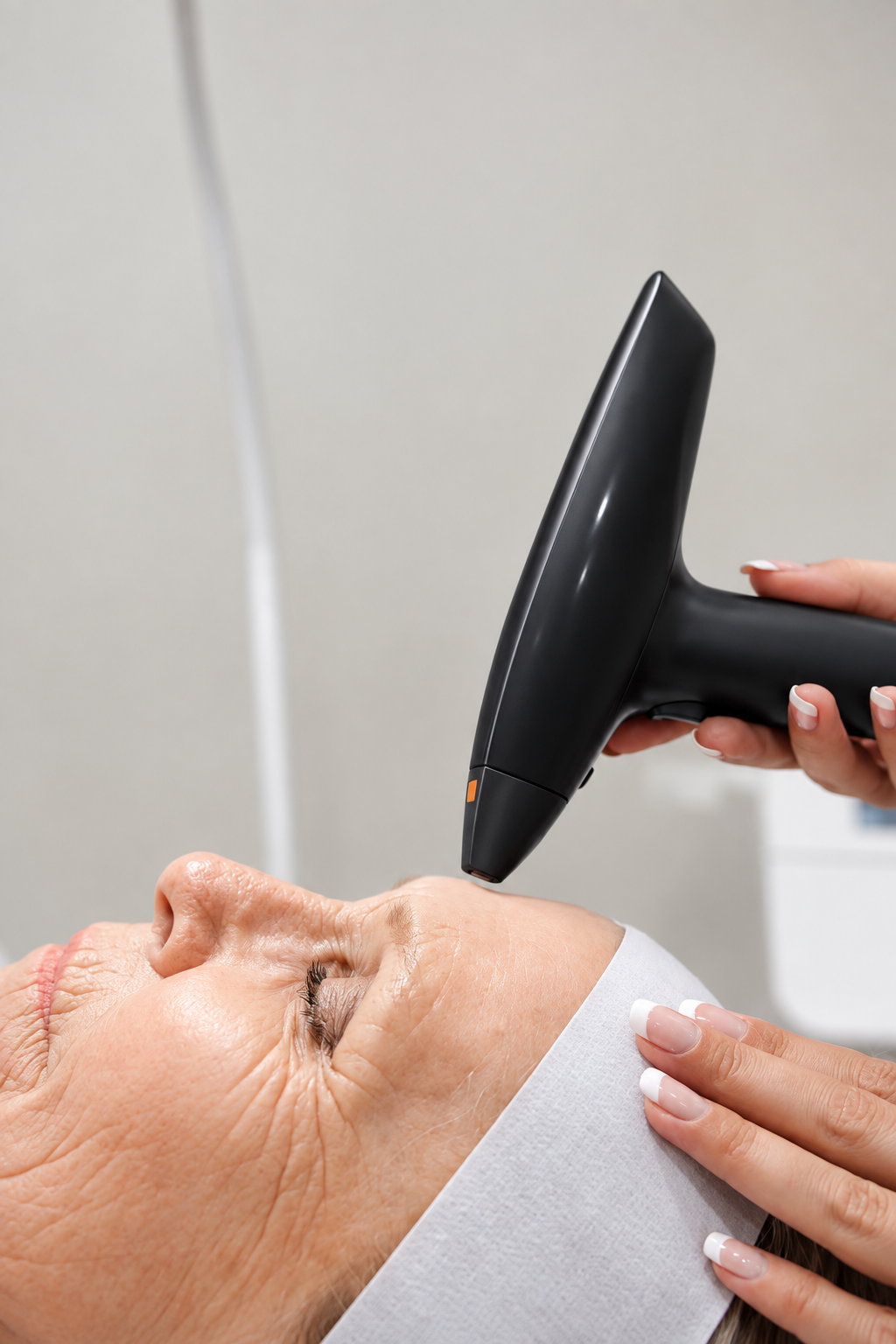
Our NanoFractional RF Skin Resurfacing treatment uses the Venus Versa Pro, an advanced radiofrequency device designed to improve skin texture, reduce the appearance of acne scarring, refine enlarged pores and address visible signs of skin ageing.
Unlike treatments that work primarily on the skin's surface, NanoFractional RF delivers controlled radiofrequency energy into the skin, creating microscopic treatment zones that stimulate the body's natural repair response.
This process encourages collagen remodelling and supports improvements in the appearance of uneven texture, fine lines and superficial scarring over time.
The result is a gradual improvement in skin quality, with smoother-looking texture and a more refined complexion. Individual results vary, and a course of treatments may be required.
How does NanoFractional RF work?
Our skin contains a structural network of collagen and elastin that contributes to its firmness, elasticity and overall appearance.
As we age, collagen production gradually declines, while factors such as acne, inflammation and environmental damage can alter the skin's surface and underlying structure.
NanoFractional RF uses controlled radiofrequency energy to create microscopic zones of thermal injury within the skin, while leaving surrounding tissue relatively intact.
This controlled process initiates a natural wound-healing response, stimulating fibroblasts — the cells responsible for producing collagen and other components of the skin's extracellular matrix.
What can NanoFractional RF treat?
Acne scarring - Helps improve the appearance of atrophic acne scars by supporting collagen remodelling.
Enlarged pores - Improves the appearance of pores by refining the surrounding skin texture.
Fine lines and wrinkles - Supports collagen renewal to improve the appearance of fine lines and superficial wrinkles.
Uneven skin texture - Helps address roughness and textural irregularities for a smoother-looking complexion.
Visible signs of skin ageing - Encourages skin remodelling to support improvements in overall skin quality.
Selected scars and textural concerns - May improve the appearance of certain scars and superficial irregularities following individual assessment.
FAQ’S

-
No. Although both treatments aim to stimulate collagen production, they work through different mechanisms.
Traditional microneedling uses fine needles to create controlled mechanical micro-injuries in the skin.
NanoFractional RF uses radiofrequency energy delivered through an array of small pins to create microscopic areas of ablation and thermal stimulation.
This allows the treatment to address skin texture and scarring through controlled resurfacing and thermal collagen remodelling.
Neither treatment is universally superior; the appropriate option depends on your skin condition, treatment goals and clinical assessment.
-
NanoFractional RF may help improve the appearance of certain acne scars, particularly depressed or atrophic scars associated with collagen loss.
By stimulating the skin's repair process and collagen remodelling, the treatment can gradually improve textural irregularities and the appearance of scar depth.
The type and severity of scarring influence how the skin responds. Some scars may require additional treatment approaches, which your clinician will discuss during consultation.
-
Yes. NanoFractional RF is a resurfacing procedure and requires a period of skin recovery.
You may experience redness, warmth, swelling, dryness, roughness and small visible treatment marks following your appointment.
Some clients experience approximately 3–5 days of visible recovery, although this can be longer depending on treatment intensity and individual healing.
We recommend scheduling your treatment around important events and following your prescribed aftercare instructions carefully.
-
Most patients receive 3-4 treatments per area. The exact number will depend on each individual person and the area being treated.
-
Venus Versa Pro’s radio frequency skin resurfacing treatments may be slightly uncomfortable, but not painful. You’ll feel intense heat, similar to the feeling of sunburn, and your face will look red right after the treatment. For more aggressive treatments, you may get a topical numbing cream to reduce any discomfort.